
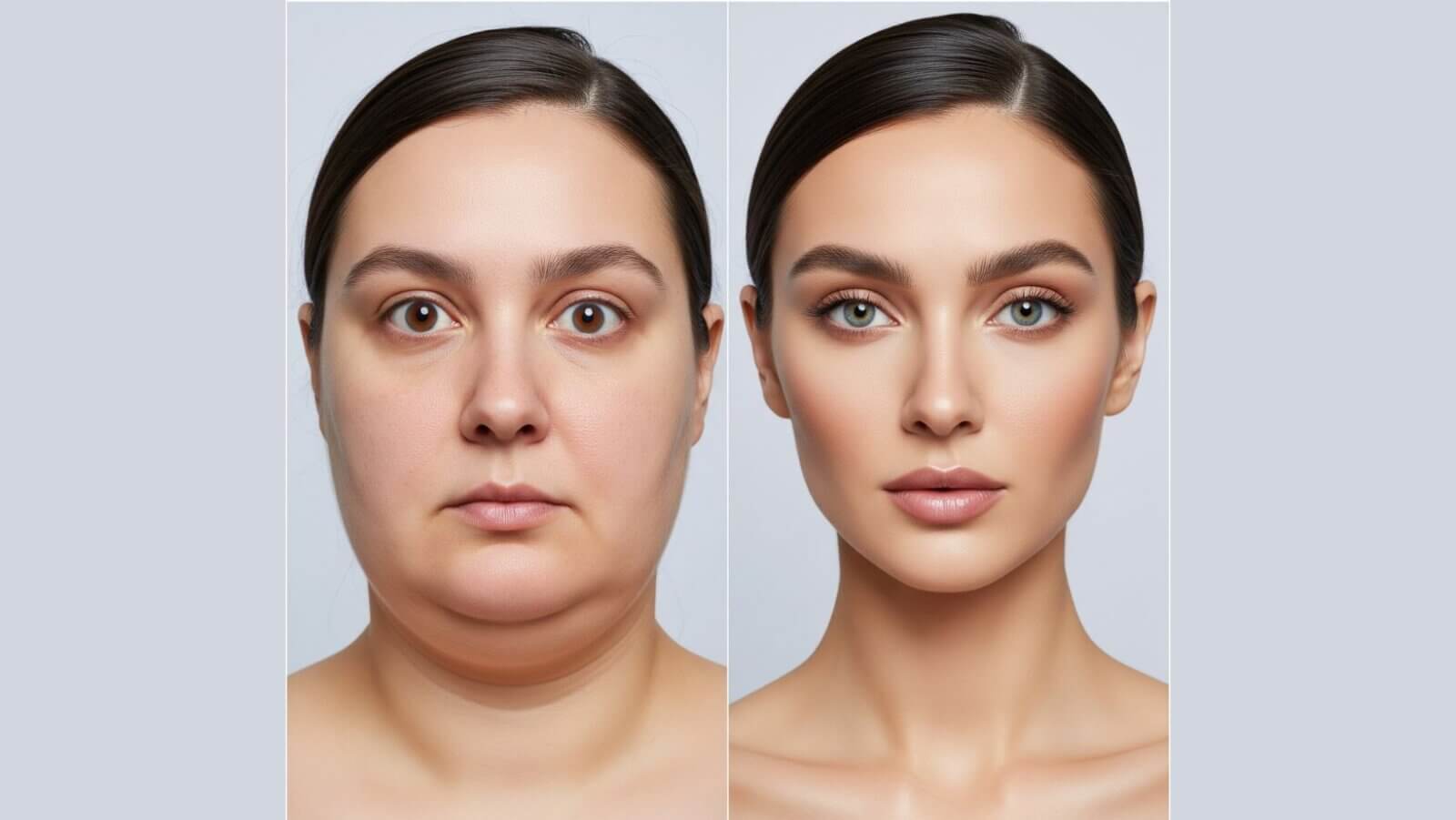
The rising use of GLP-1 medications like semaglutide is creating a new trend in the aesthetic world: the “Ozempic face.” Many people who lose weight quickly notice that their faces lose volume, leading to sagging skin, hollow cheeks, and an older appearance. This side effect is now driving increased demand for aesthetic treatments, ranging from fillers to surgical facelifts.
Understanding the science
GLP-1 medications help people lose weight by controlling insulin and curbing appetite. But as the body sheds pounds, facial fat can shrink too, leaving the face looking hollow or deflated.
Since adults do not grow new fat cells, this effect can be more noticeable with rapid weight loss. Age and skin elasticity make a difference. Younger patients usually bounce back, while those in midlife or older often need aesthetic treatments to restore facial fullness.
Aesthetic solutions on the rise
As more people experience rapid weight loss, the demand for aesthetic procedures to address these changes is rising. Treatments like injectable fillers, fat transfers, and facelifts are popular for restoring facial volume and shape.
Preventative options, such as microneedling and botulinum toxin, are also growing in popularity among younger patients looking to keep their skin firm during weight loss. Some patients even use two to three times their usual amount of filler to get the results they want.
The “Ozempic Makeover”
Rapid weight loss doesn’t just change the face. It can also affect muscles and skin all over the body, sometimes referred to as an “Ozempic body.” Clinics are seeing more interest in procedures such as arm, thigh, and buttock lifts, as well as tummy tucks and breast lifts.
Many patients choose these treatments for comfort and ease, addressing loose or heavy skin that can interfere with daily life.
Implications for the industry
GLP-1 medications are changing the way aesthetic medicine works. They offer a non-surgical way to lose weight, but they also highlight the need for a full, holistic approach. Clinics are focusing more on patient education, lifestyle guidance, and combining nutrition and exercise plans with aesthetic treatments. This helps ensure weight loss lasts while delivering the best aesthetic results.
The growing attention around “Ozempic face trend” shows how pharmaceutical innovations and aesthetic demand are coming together. This trend is creating both challenges and opportunities for the aesthetic industry.