
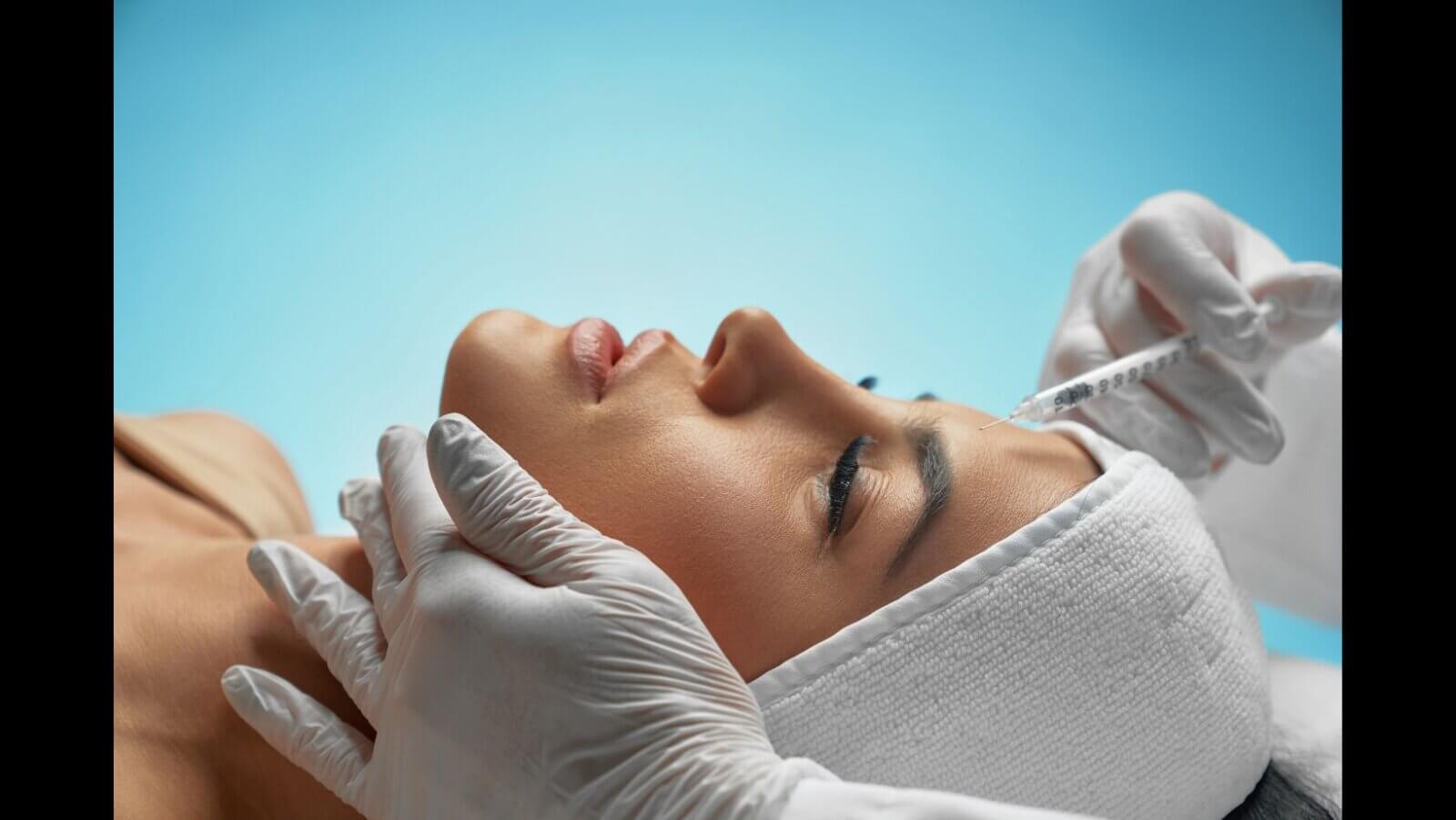
Allergan Aesthetics, a division of AbbVie, reports that rapid medical weight loss is changing facial aesthetic trends. Patients who lose significant weight now seek more facial aesthetic care than before. Many have never visited an aesthetic clinic prior to losing weight.
Weight loss prompts new facial concerns
Allergan’s analysis shows that medical weight loss (MWL) treatments raise concerns about facial structure and skin quality. Experts say rapid weight loss accelerates visible changes in the face. These include volume loss, increased skin laxity, and deeper facial lines.
Data indicates that most MWL patients notice facial volume loss. This trend is strong among GLP‑1 weight loss medication users, though specific drugs were not disclosed. Industry surveys confirm similar patterns, with over 60 per cent of GLP‑1 patients seeking cosmetic procedures being first‑time aesthetics clients.
Dermal fillers lead non-surgical treatments
Dermal fillers using hyaluronic acid are the most in-demand treatments after rapid weight loss. Allergan reports that 81 per cent of healthcare providers list fillers as their primary response to MWL-related facial changes. Practices also note increased overall filler volume, with one-third of physicians linking it to GLP‑1 use.
Consumers show growing interest in aesthetic care after weight loss. Allergan figures reveal that roughly 40 per cent of MWL patients now consider professional treatments. Patients often schedule early consultations to address potential concerns before major issues develop.
Tailored care ensures natural results
Healthcare providers emphasise personalised care and medical oversight throughout the process. This approach helps patients balance weight loss goals with aesthetic outcomes. Glen Curran, Senior Vice President at Allergan Aesthetics, says data-driven insights and education are critical for adapting to this patient group.
Clinicians confirm increased interest in restoring facial symmetry and volume. Professionals now design treatment plans specifically for post-weight loss patients. This includes follow-up care and ongoing maintenance to preserve results. Overall, the surge in facial aesthetics reflects evolving patient needs driven by rapid medical weight loss.