
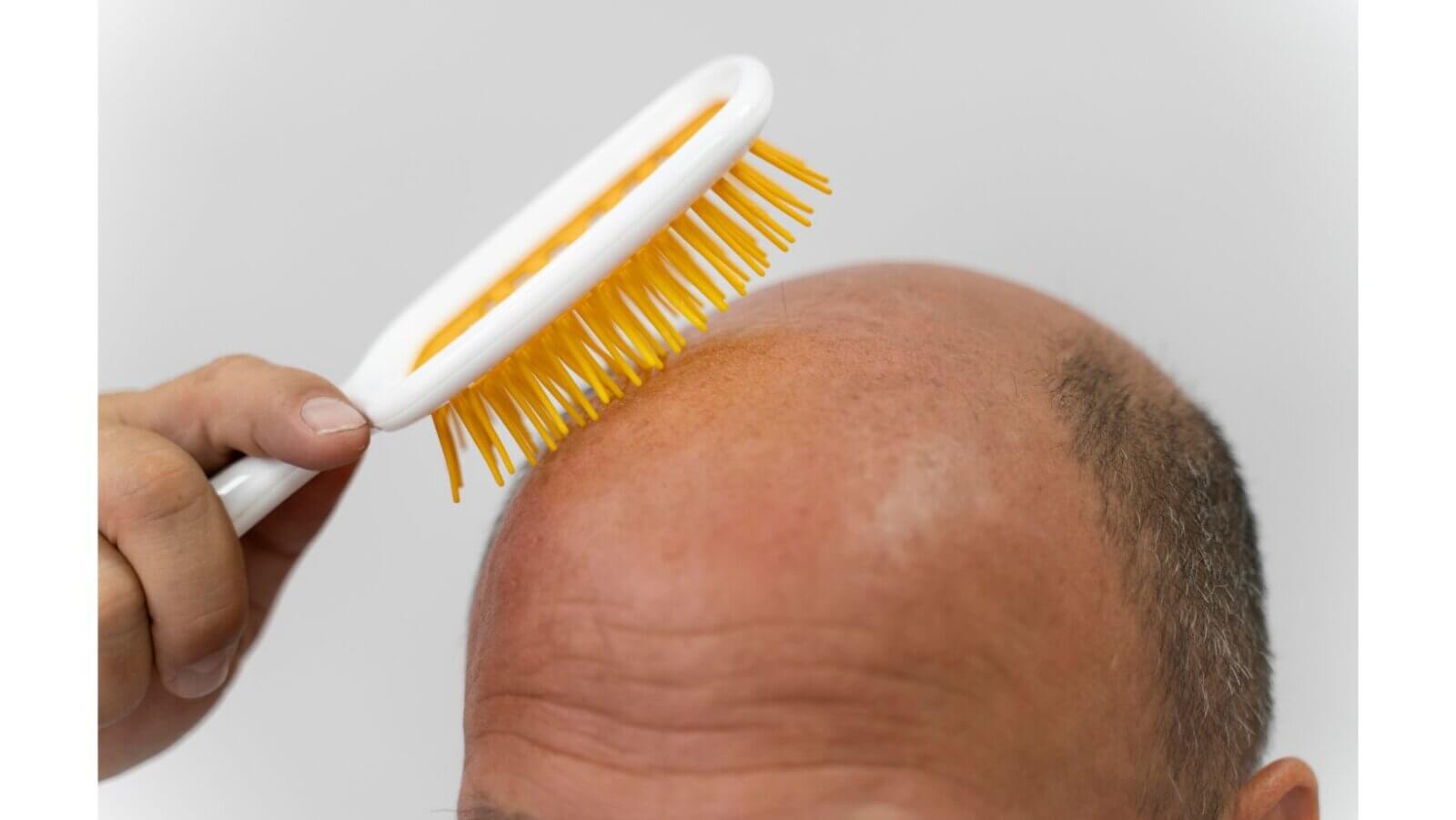
Hair thinning and hair fall remain persistent concerns for professionals and consumers. While stress, genetics, and lifestyle are often blamed, dermatologists now highlight nutrition as a key factor. Zinc deficiency can weaken hair follicles, causing noticeable thinning and shedding.
Dr Abhishek Pilani, dermatologist and hair restoration specialist, explains that many patients miss nutrient gaps during consultations. Hormonal shifts and stress contribute, but nutritional deficiencies frequently go unnoticed.
Zinc’s role in follicle strength
Zinc is vital for maintaining strong hair follicles and scalp health. The mineral supports tissue repair, cell growth, and proper oil gland function. When zinc levels drop, hair growth cycles destabilise, weakening follicles and increasing shedding. Dermatologists report diffuse hair thinning linked to marginal zinc deficiency. Patients often show brittle strands, slow regrowth, increased shedding, and scalp irritation, prompting further investigation.
Zinc supports anti-inflammatory responses that benefit hair health. Stress-induced shedding and inflammatory scalp conditions often involve systemic inflammation. Adequate zinc helps regulate these pathways, indirectly stabilising hair growth. Zinc contributes to protein synthesis, crucial for strong hair strands. Hair mainly consists of keratin, a structural protein. Zinc’s role in protein production links directly to hair resilience and reduced breakage.
Hair growth is multifactorial
Experts caution against treating zinc as a universal hair loss solution. Hair retention depends on multiple factors, including vitamins, minerals, hormones, and scalp conditions. Dermatologists assess a broad set of biomarkers before recommending nutrient-focused treatments.
Dr Pilani emphasises that nutrient correction strengthens follicles but requires comprehensive clinical evaluation. Self-prescribed supplements may produce uneven or ineffective results.
Zinc-rich foods, such as seeds, nuts, legumes, whole grains, and dairy, help support hair health. Combined with professional guidance, dietary strategies ensure balanced intake without over-supplementation risks.
Implications for healthcare
For companies in the healthcare, nutrition, and wellness sectors, this insight highlights a growing market trend: nutritional health drives hair care demand. Products addressing micronutrient balance can create value for consumers seeking evidence-based hair solutions.
Experts note that persistent hair fall extends beyond nutrient gaps. Effective strategies combine clinical diagnostics, nutritional assessment, and targeted care. Businesses that embed these insights into services and product offerings can better meet consumer expectations in hair health and wellness.